Who’s behind The Utah Plum?
Plus, a rebuttal from Senator Todd Weiler on Erica’s book removals article.


Since starting The Plum, one of the most common questions I’ve received is “Who’s behind this mysterious, fruit-themed news organization?”
Although I’m deeply offended that you don’t trust me to be the one true unbiased source of political information in Utah, I also get it. We’re living in the golden age of misinformation. And AI is only going to supercharge it.
So for today’s article, I’m giving you a deep dive on me, Nick Huey. I’ll tell you why I started The Plum, get real about who’s funding this, reveal my own political biases, and do my darndest to be an open book. If you have more questions, you can respond to this email. This list is still small enough that I read every single one, and reply to most of them.
Now let’s dive into everyone’s favorite subject: me.
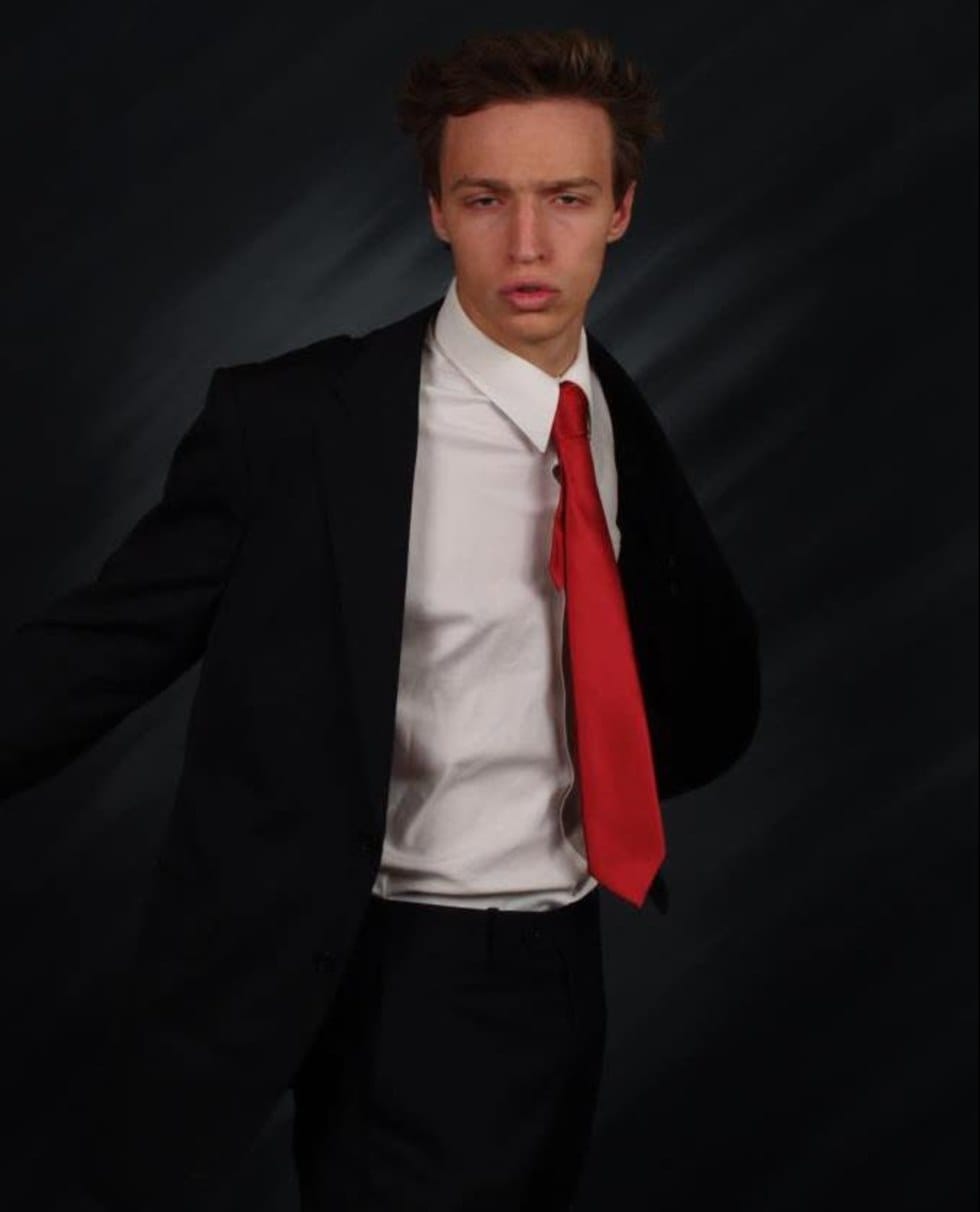
Who is Nick Huey?
In 2019, I sat in front of members of the United States Senate and tried to croak out a very important message through my very constricted throat.
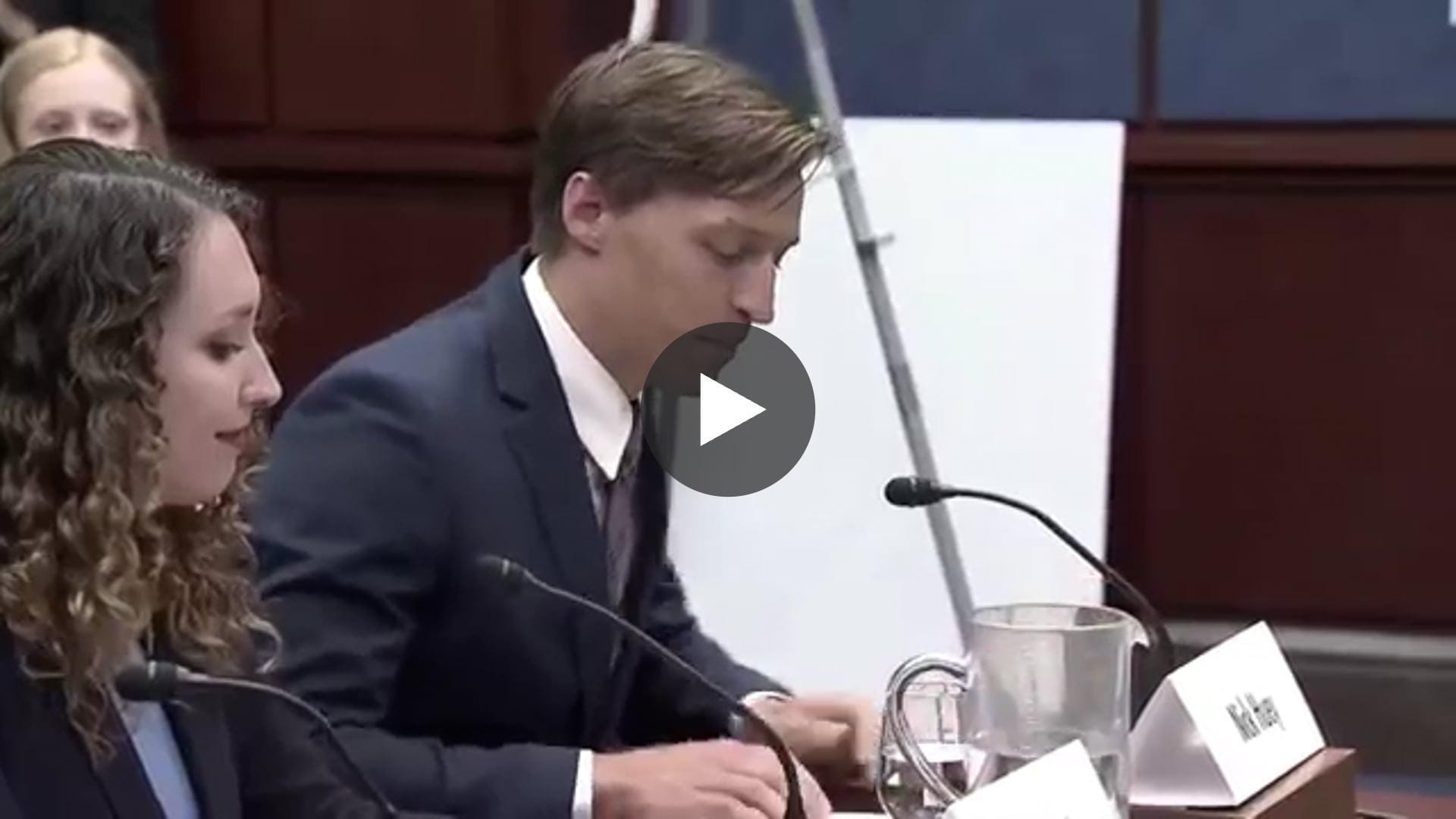
Partisanship, it seemed to me, was at the root of every unsolved issue in America. We didn’t have a climate or a border or an affordability crisis. Those were symptoms of the real crisis—hyper-partisanship that blinds, enrages, and makes good Americans incapable of working together to create a better world.
If we could solve that crisis, we could solve everything else much more quickly.
It was a nice idea, but I had no inkling of the societal tsunami I was fighting. Shortly after my testimony, COVID hit. Physically isolated Americans took to the digital world, where algorithms sorted us into ideological echo chambers. Trust, good faith, and unity descended to new lows.
In 2022, I decided to take another swing at a unifying message in American politics. I ran for Congress as a Republican in Utah’s CD-04. My message was “Welcome to the Far Middle.” A hopeful alternative to the Far Left and the Far Right.
I may have been the worst politician that ever was.
I quickly alienated myself from the left and right alike with things like a proposed apology resolution from Republicans to Democrats. It apologized for things like weakening faith in elections without evidence of widespread fraud, using the debt ceiling as leverage, and stalling Supreme Court nominees when it suited us, then rushing them through when that suited us better. I rather naively hoped Democrats might answer with a resolution of their own, owning things like identity politics, extending school shutdowns during COVID, and attempting to abolish the filibuster when it suited them.
I learned a lot during my campaign, most notably that being a politician isn’t for me. So I decided to turn my failed political run into an online persona, @TheRadicalCentrist.
And here, I experienced some modest success. I got to talk to Oprah, and became decent friends with Mercedes Chandler, a prominent left-wing influencer. However, I needed an influencer friend on the right side of the spectrum, too. One name in particular kept coming to mind.
In 2025, I went to ask a prominent right-wing influencer about building unity in America. I was convinced that this man could do a lot to heal the divide if he so chose, and I was determined to talk with him. I would wait in line all day if I had to.
But I never got the chance. That day was September 10, 2025. I was standing in line at Utah Valley University. And on the second question, I saw Charlie Kirk get shot and killed.
That’s when I started working on what would later become The Utah Plum.

A Nick Huey Timeline
1992 - Born. Incredibly important moment for me.
1993 - Wife born. Another incredibly important moment for me.
2012 - Served an LDS mission in Argentina.
2014 - Began school at BYU. Married up big time.
2015 - First daughter born.
2017 - Launched the climate campaign.
2017 - First son born.
2018 - Graduated from BYU and began my first big boy ad agency job.
2019 - Testified about depolarization to members of the U.S. Senate.
2020 - Quit the agency world to freelance. I did a lot of work with the Citizens’ Climate Lobby.
2021 - Became a foster parent. Highly recommend.
2022 - Ran for Congress in UT-CD4. (Didn’t make the primary ballot, but had fun with it.)
2022 - Started DataBriefs, a performance marketing agency.
2022 - Adopted our youngest.
2025 - Became @nonpartisannick (formerly @theradicalcentrist) on TikTok.
2025 - Was in line at UVU when Charlie Kirk was assassinated.
2026 - Started The Utah Plum.
So, what’s my angle?
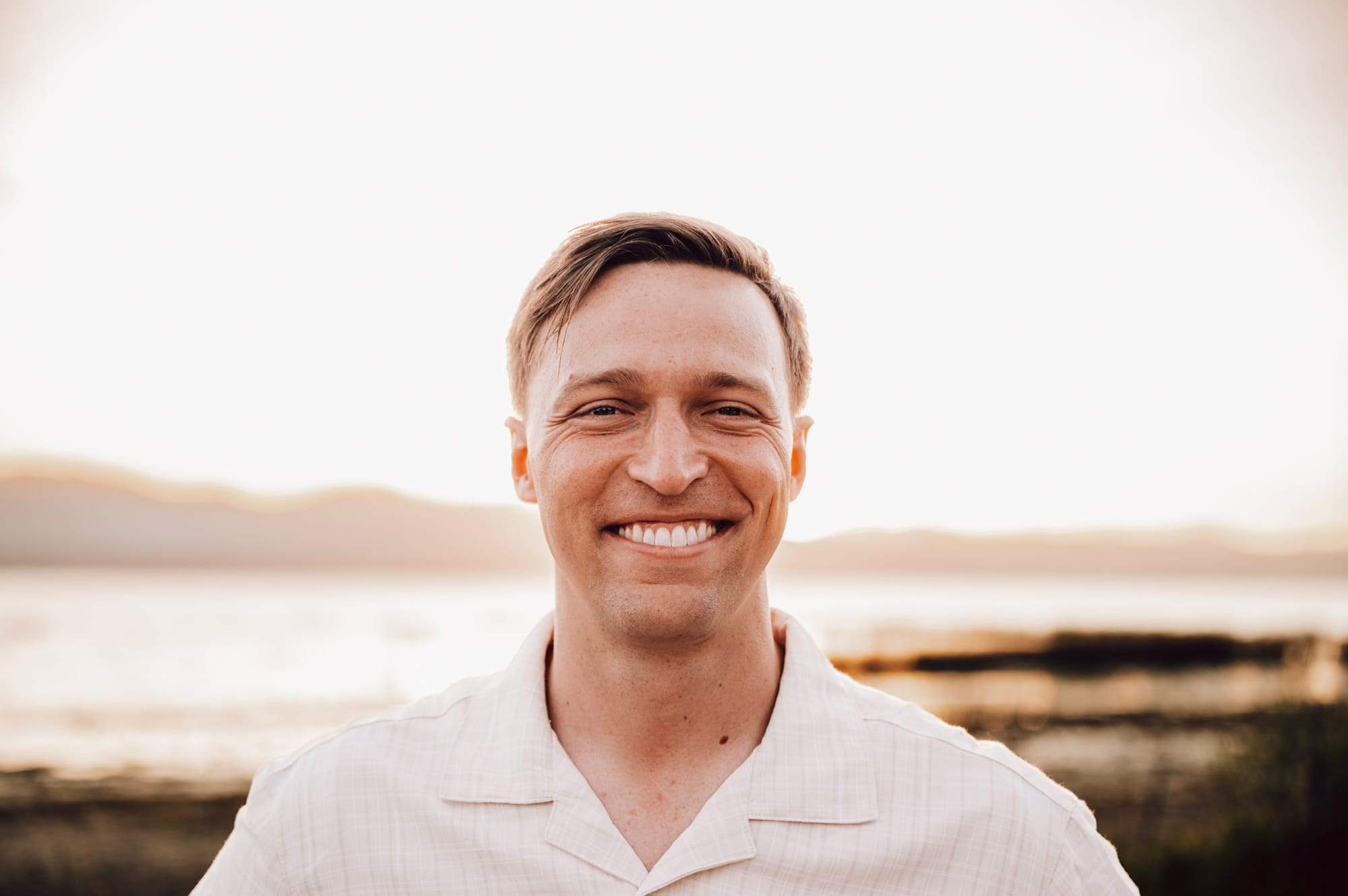
I want to create a Utah where people trust each other again, so that we can solve big problems together again.
The more I dig into Utah’s biggest issues, the more I conclude that both sides are filled with good, amazing people who are simply living in separate, distorted versions of reality.
Depending on who you talk to, Amendment B was an attempt to save Utahns from runaway taxation, or the Legislature attempting to collect more power. The Stratos data center was a state power grab over Box Elder County, or an attempt to give them more tax revenue than they’d know what to do with. Prop 4 is fighting gerrymandering, or just gerrymandering the other direction. A Salt Lake City ICE detention center is federal overreach, or Utah doing its part in the deportation process. Mail-in ballots are strengthening engagement in Utah’s elections, or weakening trust in them.
On both sides, bot farms amplify narratives. Political influencers take clips out of context. Algorithms feed you your side’s talking points. And our personal AI sycophants reassure us that our points are valid and justified, while saying the exact same thing to your neighbor who has the opposite view.
No wonder we can’t solve our problems.
My goal with The Utah Plum is to be a trusted space for Utahns across the political spectrum, where we can come together to figure out what’s actually happening in Utah politics, and what we can do about it.
If we want to have a prayer of solving Utah’s housing shortage, air quality, the Great Salt Lake, or any other crisis, we have to return to the messy, nuanced world of a shared reality. We have to be able to look at the facts on both sides, measure them objectively, and then come up with a solution together.
Gaining that trust on both sides is incredibly difficult. And it drives every decision we make.
- Each article is 4-8X longer than typical articles to give you all the context in one place.
- Each article takes more than 15 human hours to research, write, and fact-check.
- We steelman both sides of the argument so you’re exposed to both.
- We provide the author’s take, clearly labeled at the end.
- We attempt to source an expert rebuttal to every author’s take.
- We only publish about once per week so that we have time to properly research each topic.
- We don’t do breaking news, because that’s when the most misinformation is circulating. We take the extra time to research and fact find.
- We don’t accept funding from PACs or political candidates.
- We respond to reader-submitted critiques with good faith and introspection.
To be honest, the whole process is pretty painstaking. There are much easier ways to start a news company. But the product we’re building here isn’t news. It’s trust. So we don’t take shortcuts, no matter how tempting that may be.
Who’s funding this?
This is probably the most common question I get. And it’s an important one. The Plum is a nonpartisan nonprofit newsroom and a fiscally sponsored project of UI Charitable. Every funder is listed on our donors page, and our editorial independence policy is public too.
There are two Utah-based organizations that have provided our seed funding: The All In For Utah Foundation (AIFUF), and the Ray and Tye Noorda Foundation (RTNF).
All In For Utah Foundation
The All In For Utah Foundation is the same 501(c)(3) that was an early supporter of Disagree Better and the Pioneer Trail Foundation. Like every 501(c)(3) nonprofit, AIFUF is barred by federal tax law from supporting or opposing political candidates, and it’s limited in how much lobbying it can do. So its work has to stay separate from partisan campaigning.
However, they have close ties to groups that do back candidates. Their sister organization, All In For Utah, is a 501(c)(4) that says it works to combat political extremism. In 2024, it ran a six-figure ad buy backing more than a dozen Republican candidates, and its founder, Owen Fuller, told the Deseret News it was glad to support “common-sense conservatives.” This April, a new state PAC, All In For Utah PAC, launched with All In For Utah’s support. It’s a legally separate group, with its own board and articles of incorporation, that backs conservative statewide candidates.
I’ve gone to great lengths to communicate two things to the All In For Utah Foundation: 1) that I am deeply grateful for the trust they’ve placed in me and The Utah Plum, and 2) that their contribution will not be allowed to affect our coverage at The Plum.
In fact, that’s been written into our signed grant agreement.
9. Editorial Independence
Nothing in this Agreement will be construed to give Grantor any right to direct or control Grantee’s operations, governance, or programming. Grantor’s role under this Agreement is limited to fiscal oversight of charitable purposes. Grantor has no right to review, approve, direct, delay, or influence the selection, research, content, framing, timing, or conclusions of any material published by Grantee, before or after publication. Grantee’s coverage decisions are unrestricted, including coverage of Grantor, its directors, donors, or affiliated organizations. Disclosure of this funding relationship in or alongside Grantee’s coverage is governed by Grantee’s own transparency policies.
AIFUF has its own mission and culture, just like any other org. They are funding this project because they believe that I will provide deep, even-handed analysis in Utah politics. Which I am making every effort to do.
When they have feedback on an article or the site, they’re welcome to give it, just like any of my readers. But nothing in the grant lets them pull funding over what we publish.
Ray and Tye Noorda Foundation
The Ray and Tye Noorda Foundation is a family foundation based in Lindon, Utah. Ray Noorda ran Novell in the 1980s and early ’90s, earned the nickname “the father of network computing,” and is often credited with launching Utah’s tech sector. He and his wife, Tye, started the foundation in 2000. Ray died in 2006 and Tye in 2014, and their family runs it today. If you’ve seen a show at UVU’s Noorda Center for the Performing Arts, that’s them.
Most of their giving goes to health, education and poverty, in Utah and around the world. Past grants include the Against Malaria Foundation, Helen Keller International and the Salt Lake Education Foundation. Their priorities also include cutting unsustainable fossil fuel use, and they recently launched a nonpartisan fund to strengthen democracy. Our grant is part of their Utah Civic Health portfolio.
Who all is working on The Plum?
It’s a small team.
Me - Ad-guy-turned-founder-and-CEO-of-a-political-news-startup. You’ve heard enough about me at this point.
David Childs - Producer and organizational wizard. Before a writer starts, David reaches out to experts and stakeholders of the issue for comment. He’s 90% of the reason our articles have started to include Plum-exclusive quotes and expert rebuttals.
Erica Royer & Josh Satterfield - Freelance researchers and writers. They were chosen after I gave test projects to 20+ writers, screening for traits like fairness, thoroughness, and reasoning. And I’m happy to report that they are both reasonably fair, fairly thorough, and thoroughly reasonable. Erica also does our copy editing.
Where does Nick lean?
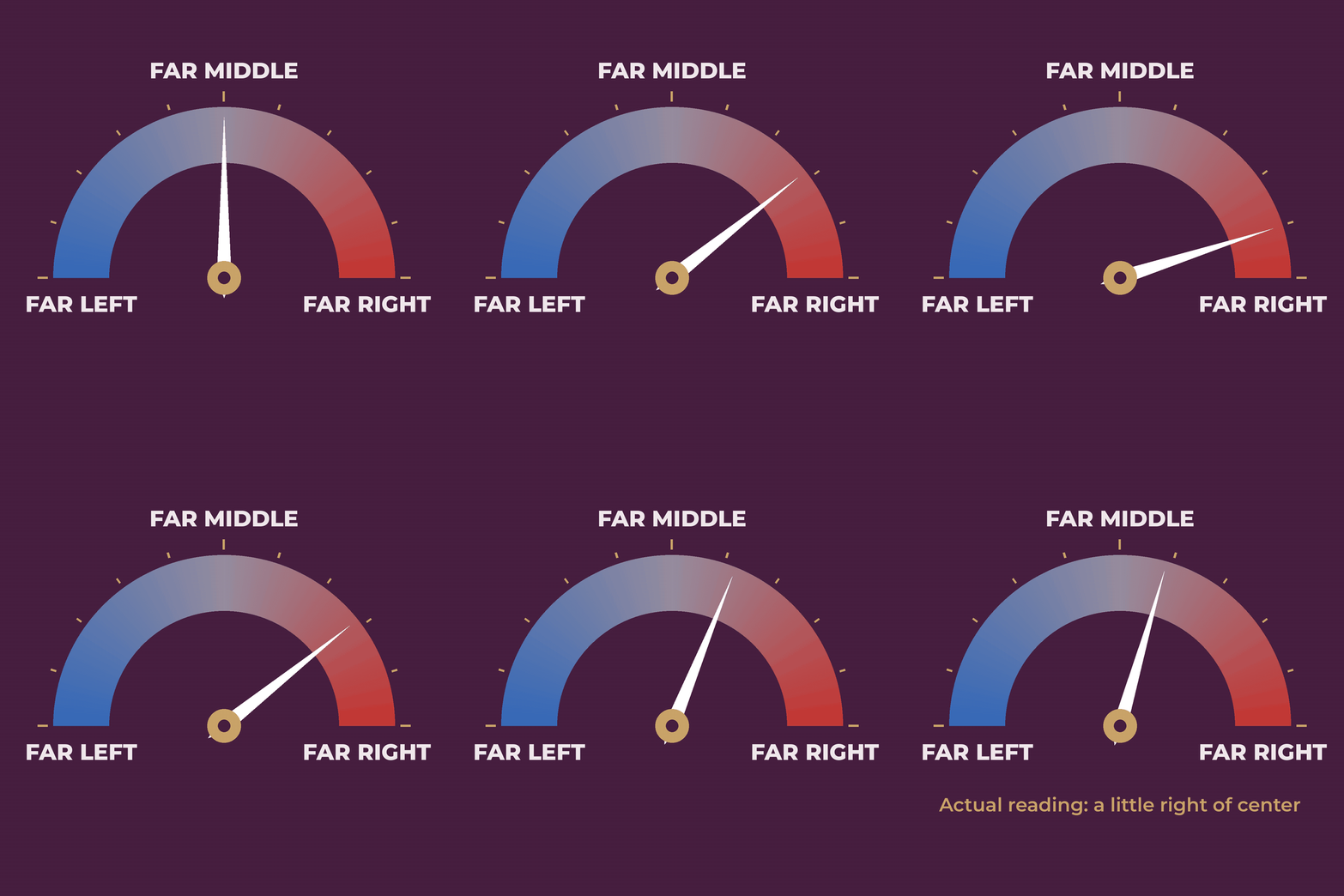
Most would advise against me revealing my political leanings as someone trying to earn trust with both sides of the aisle. But I think that hiding bias is actually harmful to my goal.
Ideologically, I lean right. And I’ve been a registered Republican since just after college.
I am frequently called a RINO (Republican In Name Only) by the further right reaches of my party because of how often I break with them, and I’ve actually come to embrace that label. I think we need a lot more RINOs and DINOs in American politics, and that ideological purity only serves to keep us from getting good things done.
I love my Democratic friends, family, and neighbors. I do not believe that either party has a monopoly on truth or good solutions, and I’m as willing to advocate for a good idea from Democrats as I am to advocate for a good idea from Republicans. Of course, I prefer bipartisan solutions to either.
One more person behind The Plum
You.
It’s cliche. I don’t care. Our readers are our greatest check against personal bias. But only if you stick around when we get things wrong.
We take it seriously when we receive replies arguing against points in our articles, or against the writer’s take. Erica has done a tremendous job responding in good faith to comments under her Idaho Prop 1 article, and her more recent article on Utah book removals. And at the end of this article, you’ll find a fresh rebuttal to Erica’s book removals article from Sen. Todd Weiler.
In that spirit, I have a request of you: when you notice we get something significantly wrong, write in and let us know. Have the debate, and we will approach it as humbly as we can. Your feedback is the greatest contribution we could ask for. And if we use it right, it will make The Plum a resource Utahns on both sides of the aisle can trust.
I’m incredibly grateful for our small-but-growing group of readers.
Nick
BONUS: A rebuttal from Sen. Todd Weiler
Earlier this month, contributing writer Erica Royer shared her take on Utah’s school book removals. Sen. Todd Weiler, R-Woods Cross, the Senate sponsor of HB 374 and HB 29, sent us this response.
“[Erica’s] article asks how we protect children and free expression at once. It’s a fair question. But the answer, a review that starts with a book’s literary reputation, would weaken protections Utah already has, and it skips how we got here.
“Legislators learned five years ago that books had been shipped to school libraries and shelved without anyone looking at them. Some of the material couldn’t even be handed to committee members without violating Utah’s obscenity statutes. Librarians told me that reading the books isn’t their job, and that they rely on national distribution lists. At the end of the day, school boards and administrators allowed adult X-rated material onto taxpayer-funded shelves. When those responsible won’t vet a collection, the Legislature had little choice but to act.
“Some of the books I personally reviewed include 300-word descriptions of oral sex between teenagers. That isn’t a difficult theme handled with care. If the author, as a grown adult, finds the sexual content to be too much, it’s reasonable for the state to keep those books out of a school library.
“Miller and Pope decide when material is legally obscene for adults, not what a school must stock in its internal library for a 12-year-old. Under Ginsberg v. New York, states can restrict minors’ access to sexual material. Some books don’t belong on a school’s shelves. The real dispute is who draws the line, and Utah has already drawn it.
“This law applies only inside school libraries. Students and parents can still get every one of these titles at Amazon, Barnes & Noble, or the local city library.
“In fact, there is nothing to prevent a student from bringing their own copy of a removed book to school. The Russia comparison blurs the difference between a state deciding what a school stocks and a government controlling what citizens may read.
“Fight Club was removed through the subjective, whole-book review the author says Utah lacks, and Davis’s school board upheld it. Disagreeing with a committee’s conclusion doesn’t mean the process is broken.
“The Supreme Court has never decided how far schools can go in removing sexually explicit library books. Until it does, elected officials have the authority to set standards for what schools provide.
“Protecting children and protecting freedom aren’t in conflict here. Parents keep every right to guide their children’s reading. They just shouldn’t have to help fund material that they find indefensible.”
Sen. Todd Weiler, R-Woods Cross